Natalie Nyathi
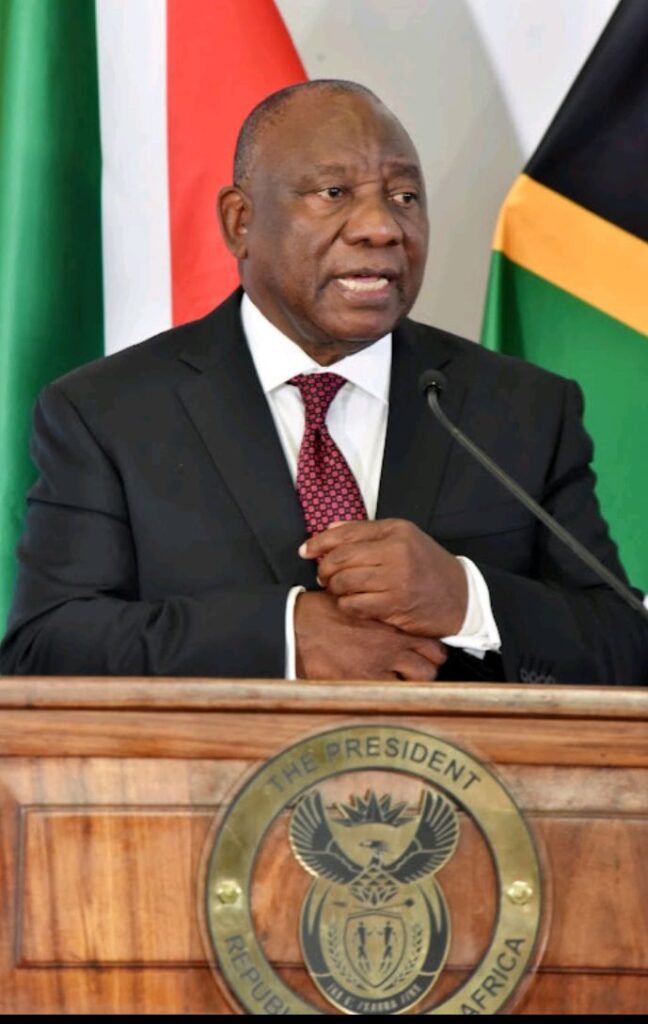
President Cyril Ramaphosa addressed the Liberation Movements Summit in Kempton Park, highlighting the urgent need for Africa to process its raw materials and promote economic justice to achieve true liberation. The summit brought together leaders and representatives from Southern African liberation movements, including the ANC from South Africa, MPLA from Angola, SWAPO from Namibia, FRELIMO from Mozambique, ZANU-PF from Zimbabwe, and CCM from Tanzania.
In his speech, Ramaphosa emphasized that political freedom is incomplete without economic justice. He argued that Africa will struggle to prosper if it continues to export raw materials and depend on foreign factories for finished goods. Instead, he called for the continent to process, build, and produce what it needs, urging investments in infrastructure that goes beyond national boundaries to create a physically and economically integrated region. He stated that Africa should focus on exporting finished products that meet global demand.
The President also stressed the importance of addressing the land question, industrializing mineral resources, and creating job opportunities for the youth. He advocated for moving away from the colonial extractive model and developing regional value chains that are anchored in Africa’s resources and driven by its young people.
Ramaphosa recognized the internal challenges facing liberation movements, including corruption and patronage, which he said have weakened social cohesion and unity. He acknowledged a disconnect between these movements and the younger generation, who often see more shortcomings in the present than victories from the past.
He called for unity in tackling corruption and crime, urging liberation movements to learn from each other’s experiences in rebuilding and renewing their organizations. He emphasized that youth leagues should not be merely ceremonial but should drive ideological clarity and innovation.
The President also brought attention to the issue of foreign interference, warning that international actors often exploit legitimate grievances to undermine progressive governments. He highlighted a renewed offensive against transformation and multilateralism, emphasizing the need for Africa to resist external pressures.
In addition, Ramaphosa stressed that true freedom cannot be achieved without the liberation of women. He welcomed resolutions that promote land equity for women and their involvement in leadership, trade, and peace processes.
He also addressed the topic of migration, urging a rejection of xenophobia in all forms. Ramaphosa noted that migration should be viewed as a consequence of underdevelopment and global inequality, rather than a moral failing.
The President’s address underscored the need for urgent and sustainable solutions to Africa’s challenges, calling for innovative approaches to transform movements, governments, economies, and societies. He concluded by reaffirming support for the peoples of Palestine, Western Sahara, and Cuba, condemning the injustices faced by these communities.
The summit aimed to reaffirm the relevance of liberation movements in a rapidly changing global landscape, addressing declining electoral support and the frustrations of young people. It served as a platform to confront threats to the achievements of liberation and to consolidate progressive regional responses rooted in Pan-Africanism and internationalism.