Natalie Nyathi
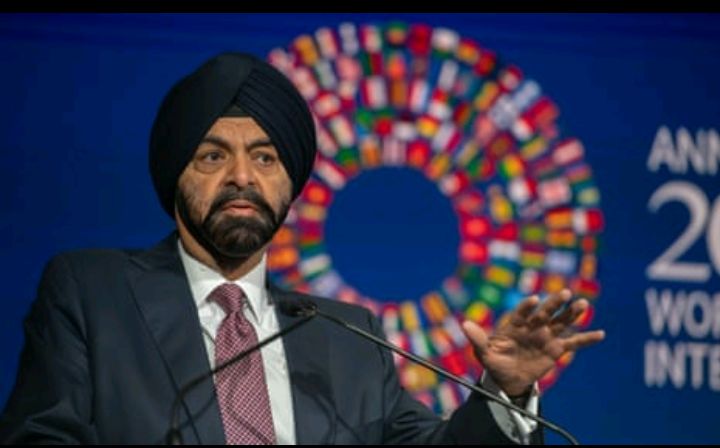
Zimbabwe’s protracted struggle with debt, spanning over two decades, remains a critical impediment to its economic recovery. World Bank President Ajay Banga has recently emphasized the urgent need for Zimbabwe to actively engage with the Group of 20 nations to find a coordinated solution to its staggering $21 billion debt. Banga asserted that Zimbabwe’s best chance of exiting its 25-year debt default lies in building consensus among global creditors and policymakers within the G-20 framework.
Zimbabwe’s default on its external debt dates back to the early 2000s, triggered by land reform policies that led to economic collapse, hyperinflation, and strained relations with Western creditors. Since then, the country has been locked out of global financial markets, limiting its ability to borrow and hindering economic development. The accumulation of arrears to international lenders, including the World Bank, IMF, and African Development Bank, has further compounded these challenges.
Zimbabwe has made repeated attempts to regain access to global capital markets, including using metal-export revenues to pay down debt and appealing to other nations for financial assistance. However, these efforts have been largely unsuccessful. Banga argues that continuing to pursue these strategies independently will only prolong the crisis.
The G-20’s Common Framework, launched in 2020, offers a potential avenue for Zimbabwe to restructure its debt through coordinated negotiations with a diverse set of creditors. While countries like Zambia, Ghana, and Ethiopia have utilized this framework, Zimbabwe is not technically classified as poor enough to qualify. Nevertheless, Banga suggests that Zimbabwe should follow the example of Sri Lanka and approach the G-20 for assistance. South Africa, which currently holds the G-20 presidency, has been approached by Zimbabwe to try and garner the group’s support for a debt workout.
Despite the challenges posed by the debt crisis, recent reports from the World Bank and the IMF offer a cautiously optimistic outlook for Zimbabwe’s economic growth in 2025. Both institutions project a growth rate of around 6%, driven by an anticipated recovery in agriculture, rising gold prices, and policy reforms.
The IMF has noted that recent policy reforms, such as halting quasi-fiscal operations by the Reserve Bank of Zimbabwe and stabilizing the new gold-backed currency, have helped restore confidence. The government projects that the country’s per capita income will exceed USD 3,000 in 2025.
Despite the positive projections, significant challenges remain. The IMF has warned of persistent fiscal pressures from rising public sector wages, debt servicing, and capital spending. To sustain the recovery, further reforms are needed, including closing the fiscal financing gap without resorting to central bank borrowing, enhancing public financial management, and improving the transparency of state-owned enterprises.
Addressing arrears with major creditors is crucial for Zimbabwe’s economic recovery, as it would unlock access to funding from the IMF. Zimbabwe is currently negotiating a Staff Monitored Program with the IMF, which would pave the way for key policy reforms.