Natalie Nyathi
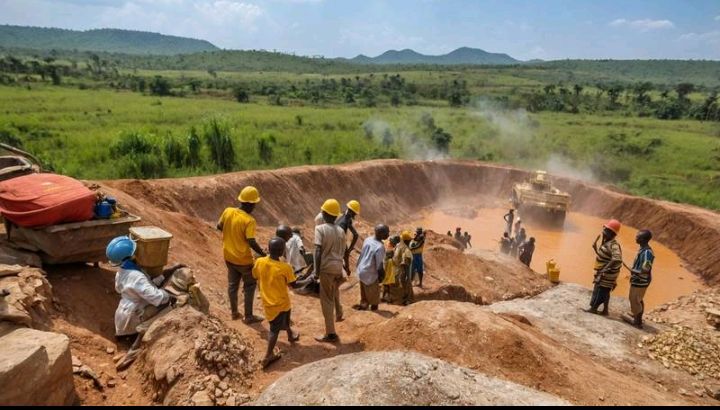
Uganda is about to see a big change with the opening of its first large-scale gold mine, the Wagagai Gold Mining Project. This $250 million project, owned by a Chinese company, is located in the Busia district of eastern Uganda. It aims to transform the country’s mining sector and improve its position in the global gold market. The mine will refine gold to a purity of 99.9%, which is an important step for the country.
Before the Wagagai project, Uganda’s gold sector was mostly made up of small, informal mining operations. In 2023, the country produced only 0.0042 tons of gold. The new mine is expected to produce 1.2 metric tons of refined gold each year, a huge increase in production. This change means moving from small-scale mining to a more organized and industrial approach, which will bring safer working conditions and better environmental practices.
Gold is already important to Uganda’s economy. In 2023, gold exports brought in $3.4 billion, making up 37% of the country’s total export revenue. However, much of this revenue came from gold that was mined elsewhere and simply processed in Uganda. The Wagagai project will change this by increasing the amount of gold produced in Uganda, which will help stabilize export revenues. In early 2025, Uganda earned $1.91 billion from gold exports.
President Museveni has stressed the need for local processing, stating that Uganda will no longer export raw minerals. The Wagagai project aims to refine gold locally, which will help the economy and create over 5,000 jobs once it is fully operational.
Revenue from gold exports will help fund important infrastructure projects, such as power generation and railway development. Uganda is currently building a €2.7 billion railway system to improve transportation links to neighboring Kenya and lower costs for exports and imports.
Uganda’s economic strategy also focuses on reducing reliance on agricultural exports by developing its mineral resources. Money from gold mining will support other sectors, helping to build a stronger and more balanced economy.
While the outlook for the Wagagai project is positive, there are challenges ahead. The project must maintain steady production levels, comply with environmental regulations, and manage water resources effectively. Fluctuations in gold prices and competition from established gold-producing countries are also concerns.
Despite these challenges, the Wagagai mine offers many opportunities. It is expected to generate around $10 million a year in tax revenue and train over 500 workers in Uganda. The project has already created over 2,000 jobs and fits well with the government’s vision of transforming the economy.
Besides gold, Uganda has a variety of other mineral resources, including copper, cobalt, iron ore, lithium, and tin. These resources provide multiple options for economic development. The government is working to attract foreign investment in different mineral sectors, showcasing the country’s potential and improving infrastructure.
The Wagagai gold mining project marks an important milestone for Uganda, signaling the start of a new era of economic growth and development. By making the most of its mineral resources and investing in infrastructure, Uganda aims to build a brighter future for its people.