Natalie Nyathi
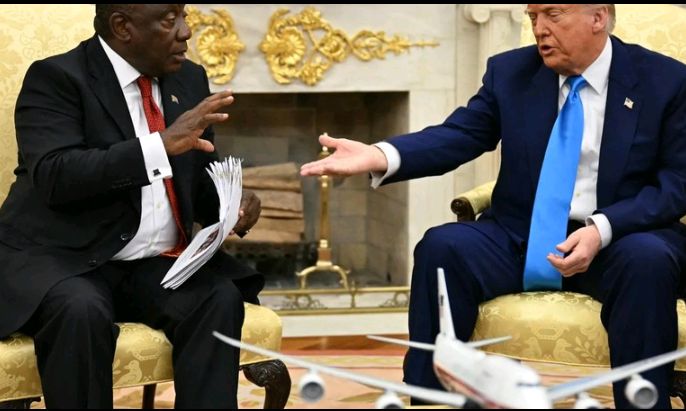
The United States is considering major policy shifts that could significantly impact both Zimbabwe and South Africa. These shifts involve a potential easing of restrictions on Zimbabwe while simultaneously increasing pressure on South Africa.A new bill has been introduced in the US House of Representatives that, if passed, would repeal the Zimbabwe Democracy and Economic Recovery Act (Zidera). Zidera, which has been in place since 2001, has been a major point of contention, with the ruling Zanu-PF party blaming it for the country’s economic struggles. The US imposed these sanctions to push for improvements in human rights and democratic governance.This proposed repeal comes with a significant condition: Zimbabwe must settle its $3.5 billion debt related to compensating white farmers who lost their land during the country’s land reform program. Paying this debt within a year would be a difficult task, given Zimbabwe’s existing financial challenges.Despite the conditions, the fact that the US is even considering lifting sanctions signals a potential shift in its approach. Some analysts believe this is part of a broader US strategy to counter China’s growing influence in Africa. By improving relations with Zimbabwe, the US may be hoping to gain a stronger foothold in the region.While the US may be easing up on Zimbabwe, it’s taking a tougher stance on South Africa. A new bill in the US Senate, called the US-South Africa Bilateral Relations Review Act, proposes a comprehensive review of the relationship between the two countries.This bill raises several concerns for South Africa. It calls for identifying South African government officials and members of the ruling ANC who could be subject to sanctions under the Global Magnitsky Act. These sanctions could include financial restrictions, visa bans, and asset freezes. The bill also proposes removing South Africa from the African Growth and Opportunity Act (AGOA). AGOA provides duty-free access to the US market for eligible African countries. Losing this status could significantly harm South Africa’s economy.These measures are being considered because of concerns about South Africa’s foreign policy decisions. Some US lawmakers believe that South Africa has been aligning itself with countries that are adversaries of the US, such as Russia and China. Examples cited include joint military exercises with Russia and China, and perceived anti-Israel stances.These potential policy changes signal a complex shift in US foreign policy in Africa. The US appears to be trying to balance its concerns about human rights and democracy with its strategic interests in the region.For Zimbabwe, the repeal of Zidera could offer a chance to re-engage with the international community and attract much-needed investment. However, the condition of compensating white farmers presents a significant financial hurdle.For South Africa, the increased scrutiny from the US could lead to economic and political consequences. The potential loss of AGOA benefits and the imposition of sanctions on key officials could strain relations between the two countries and impact South Africa’s economy.