Natalie Nyathi
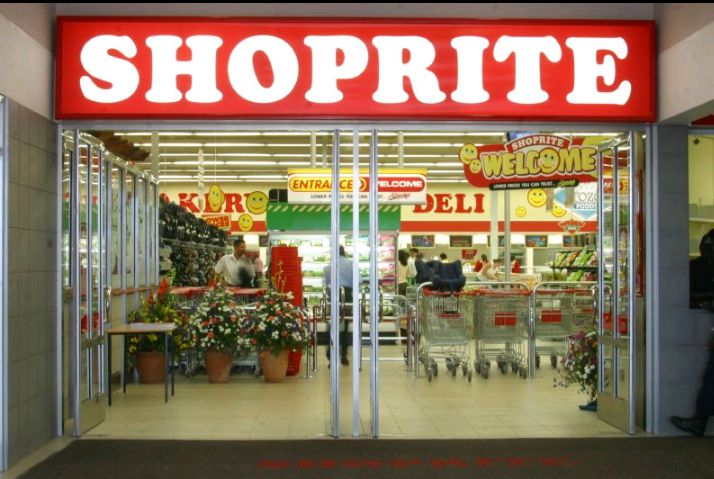
Shoprite Holdings, South Africa’s leading supermarket chain, is in the final stages of a big shift in its African strategy. The company is focusing more on South Africa and scaling back its operations in other African countries. Although Shoprite has seen good sales and profit growth in South Africa, its work in other parts of Africa has faced serious challenges.
In the last five years, Shoprite has been looking at its long-term plans in Africa. The company has dealt with issues like currency changes, falling commodity prices, high inflation, and extra costs from imports. These problems have made it hard for people to afford everyday items and have affected Shoprite’s earnings.
Because of this, Shoprite has decided to leave several African markets. In August 2025, the company announced it would sell its operations in Ghana and Malawi. This follows previous exits from Nigeria, Kenya, the Democratic Republic of Congo, Uganda, and Madagascar. These moves show that Shoprite wants to focus on more stable and profitable areas.
While Shoprite is almost done with its consolidation strategy, Mozambique is still a major concern. CEO Pieter Engelbrecht has said that the country is under review due to economic and security issues.
A major worry is the stalled TotalEnergies liquefied natural gas project. Attacks by insurgents in Palma in March 2021 caused a halt to this important project, creating a lot of uncertainty. The force majeure, which has been in place since 2021, is expected to end soon, according to TotalEnergies and Mozambique’s President. TotalEnergies plans to ask the Mozambique government to restart construction by mid-2025.
Engelbrecht pointed out that without progress in the gas sector and with ongoing security threats, Mozambique is in a tough spot. He stated, “Without that gas business off the ground…Mozambique is in serious trouble.”
Shoprite’s new strategy includes cutting back on spending for supermarkets outside of South Africa and focusing on strengthening its presence at home. The company now operates 268 stores across seven Southern African Development Community countries. Namibia, Zambia, and Eswatini are seen as its strongest markets.
This change is reflected in Shoprite’s recent financial results, which show strong sales growth in South Africa. The company’s main division has seen a significant increase in merchandise sales. Its delivery app, Sixty60, has also seen a big rise in sales.
Shoprite’s decision to consolidate its operations highlights the challenges that many international retailers face in Africa. Currency changes, inflation, and high costs can seriously affect profits. The company’s new approach aims to create more stable and predictable growth while being cautious about future expansion.
The Southern African Development Community has a large economy and a big population. While South Africa is still the largest economy in the region, other countries like Botswana, Eswatini, and Namibia are expected to catch up in terms of GDP per person by 2043. This region has a high level of trade between its countries. However, governments in Southern Africa are facing many challenges in 2025 due to local issues and global pressures.
Shoprite’s strategic shift shows how the company is responding to the difficulties of operating in different African markets. While it focuses on its core South African operations and nearby countries, the future of its presence in Mozambique is uncertain and depends on improvements in the gas project and overall stability in the region.