Natalie Nyathi
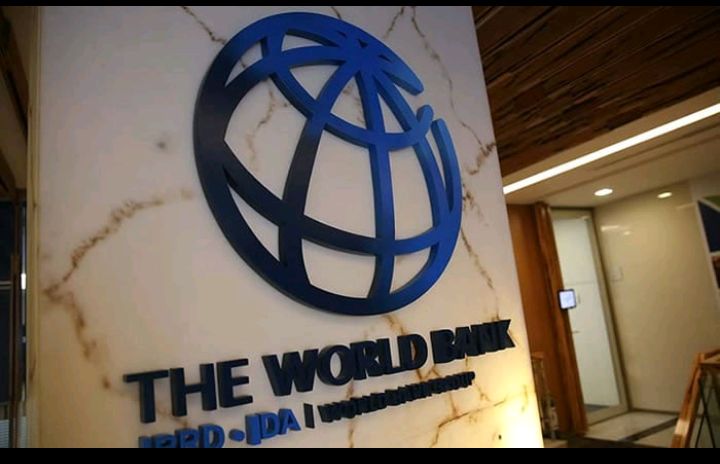
The Nigerian government is seeking a $500 million loan from the World Bank to enhance financial access for Micro, Small, and Medium Enterprises (MSMEs).
A move aimed at stimulating economic growth and job creation. This initiative, however, comes amid growing concerns about Nigeria’s increasing debt profile.
The proposed loan, under the “Fostering Inclusive Finance for MSMEs in Nigeria (FINCLUDE) Project,” is designed to mobilize private capital and promote innovative financial solutions for small businesses. It will be channeled through the Development Bank of Nigeria (DBN) and its subsidiary, Impact Credit Guarantee Limited. The World Bank stated that “Through these catalytic institutions, the project will deploy a package of complementary, inclusive, and innovative instruments tailored to the diverse needs of MSMEs in Nigeria.”
The $500 million from the World Bank is part of a larger $2.39 billion project. The International Bank for Reconstruction and Development (IBRD) will contribute $400 million, and the International Development Association (IDA) will provide $100 million. The remaining $1.89 billion is expected to come from commercial lenders.
The project has three main components: developing inclusive and innovative MSME finance products, de-risking and mobilizing private capital through partial credit guarantees, and providing technical assistance to modernize and digitize the MSME finance ecosystem. The World Bank is expected to approve the project on December 18, 2025.
While the government touts the potential benefits of the loan, it is happening against a backdrop of increasing national debt. Nigeria’s debt to the World Bank has been on the rise, reaching $18.23 billion as of March 31, 2025. This represents a significant portion of Nigeria’s total external debt, which stood at $45.98 billion at the same time. Concerns have been raised about the country’s ability to manage its growing debt burden.
Despite these concerns, the Nigerian government points to recent economic reforms and positive economic indicators. Minister of Finance and Coordinating Minister of the Economy, Mr. Wale Edun, stated that Nigeria’s GDP grew by 4.23% in the second quarter of 2025. The World Bank has also acknowledged Nigeria’s economic reforms, stating that “These reforms have improved fiscal space, enhanced FX liquidity, and eased inflation to 18 per cent as of September 2025.” The IMF projects a 3.9% real GDP growth in 2025.
The government hopes that the FINCLUDE project will stimulate economic activity, create jobs, and improve the lives of Nigerians. However, it must also address concerns about debt sustainability and ensure that the loan is used effectively to achieve its intended goals.