Democratic Republic of Congo Grapples with New Ebola Outbreak
Natalie Nyathi
The Democratic Republic of Congo (DRC) has declared its 16th Ebola outbreak, confirmed in the Kasai Province, marking another challenge for the nation’s public health infrastructure. The announcement was made yesterday,on September 4, 2025, after laboratory tests confirmed the presence of the Zaire strain of the Ebola virus.
The outbreak’s initial case was identified as a 34-year-old pregnant woman who was admitted to a hospital on August 20 with symptoms including high fever and repeated vomiting. As of the latest reports, there are 28 suspected cases and 15 deaths, including four healthcare workers, across the Bulape and Mweka health zones in Kasai Province.
The current outbreak is attributed to the Zaire strain of the Ebola virus, also known as ZEBOV. This particular strain is one of the most virulent, with historical case fatality rates averaging around 83 percent. The Zaire strain was responsible for the devastating outbreak in West Africa from 2014 to 2016. While it has a high mortality rate, early diagnosis and high-quality healthcare can significantly lower the risk of death.
Ebola is a severe and often fatal illness in humans. The virus spreads through direct contact with the blood or bodily fluids of an infected person, or through contact with contaminated objects and surfaces. The time between infection and the onset of symptoms ranges from two to 21 days, but it is typically around eight to ten days. Early symptoms of Ebola include fever, fatigue, muscle pain, headache, and sore throat. As the disease progresses, more severe symptoms can develop, including vomiting, diarrhea, abdominal pain, unexplained bleeding or bruising, rash, and impaired kidney and liver function.
The DRC’s Ministry of Health, along with international organizations, is working to control the outbreak. The Africa CDC has deployed experts to support surveillance, contact tracing, data management, and infection control. The World Health Organization (WHO) is also providing assistance, including the deployment of a rapid response team and the delivery of medical supplies. They are sending two tons of medical supplies and equipment, and the DRC has access to 2,000 doses of the Ervebo vaccine, which is effective against the Zaire strain, to protect contacts and frontline health workers.
The outbreak area in Kasai Province is remote, making it difficult to reach and respond effectively. This marks the 16th Ebola outbreak in the DRC since the virus was first identified in 1976. The country’s most recent outbreak occurred in 2022 in Equateur Province. The re-emergence of the Zaire strain highlights the ongoing challenges in preventing and controlling Ebola in the region.
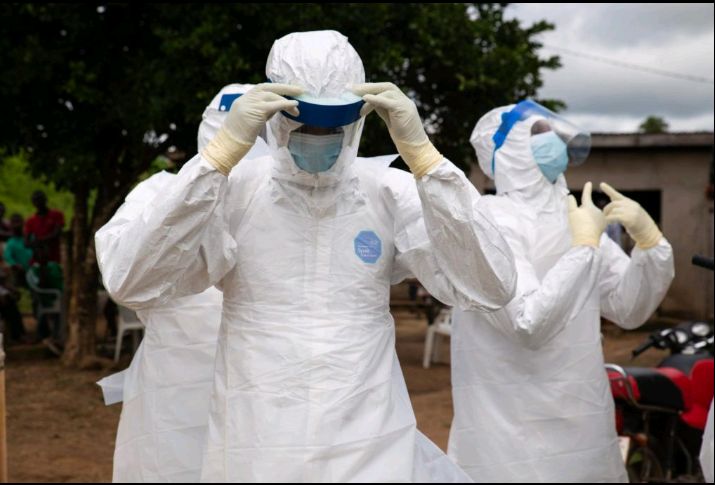
Prevention efforts include avoiding contact with infected individuals and taking precautions such as wearing protective equipment. Experimental treatments, including monoclonal antibodies, mimic the body’s natural defenses against the virus. The Ervebo vaccine has proven effective in preventing the Zaire strain, and its deployment is a crucial part of the outbreak response.
As the DRC faces this new outbreak, the global health community is mobilizing resources and expertise to support the country’s efforts to contain the virus and protect its people. The situation remains dynamic, and concerted efforts will be essential to manage and mitigate the impact of this deadly disease.