Natalie Nyathi
In Kibera, Nairobi’s largest informal settlement, innovative solutions are emerging to combat the persistent challenges of water scarcity and inadequate sanitation. For many residents, accessing clean water and safe sanitation facilities has been a daily struggle, often exacerbated by exploitative practices. However, community-driven initiatives are beginning to make a significant impact, offering a path towards improved health, dignity, and environmental sustainability.
One such initiative is the Human Needs Project, which employs a unique approach to address the intertwined issues of waste management and access to essential services. The HNP allows residents to exchange discarded plastic for “green points,” which can then be redeemed for services such as clean drinking water, access to toilets and showers, laundry facilities, and even meals.
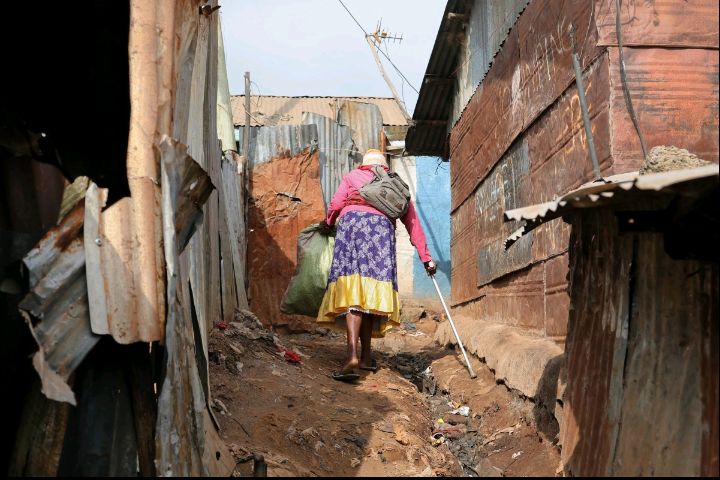
This system has proven to be a game-changer for many, including 85-year-old Molly Aluoch, who relies on the project to access clean and safe sanitation. Aluoch, like many other Kibera residents, previously had to pay exorbitant prices to use often unhygienic facilities. Now, she can use her limited income to provide food for her grandchildren while maintaining access to essential sanitation services.
The HNP’s model has particularly empowered women in the community, with approximately 250 women actively involved in the daily collection and delivery of recyclable plastics. This not only provides them with access to essential services but also restores a sense of dignity and agency. As one resident noted, access to proper sanitation services guarantees women and girls their dignity, especially during menstruation.
Water scarcity is a major issue in Kibera, where vendors often create artificial shortages to inflate prices, charging residents significantly more than those in other parts of Nairobi. The HNP addresses this by operating ten water points across Kibera, sourced from a borehole with a daily capacity of half a million liters. This helps shield residents from the exploitative pricing practices of informal vendors and ensures a more reliable supply of clean water.
The HNP’s impact extends beyond just providing water and sanitation. By incentivizing the collection of plastic waste, the project also contributes to a cleaner and healthier environment. In the first quarter of 2025 alone, Kibera residents delivered two tons of recyclable plastic through the project.
Peter Muthaura, HNP’s director of strategic partnerships, emphasizes that the project helps improve health and daily living conditions in Kibera. He notes that when people lack access to dignified toilets and bathrooms, the environment suffers.
Despite the positive impact of initiatives like the HNP, significant challenges remain in addressing Kibera’s water and sanitation crisis. These include a lack of government infrastructure, inadequate sewage systems, and the presence of cartels that control water distribution.
To achieve lasting change, collaborative efforts are needed involving community organizations, NGOs, government agencies, and the private sector. These efforts should focus on expanding access to clean water and sanitation, improving waste management systems, and empowering communities to take ownership of their development.
By combining innovative solutions with community participation, it is possible to create a more sustainable and equitable future for Kibera and other informal settlements facing similar challenges.