Natalie Nyathi
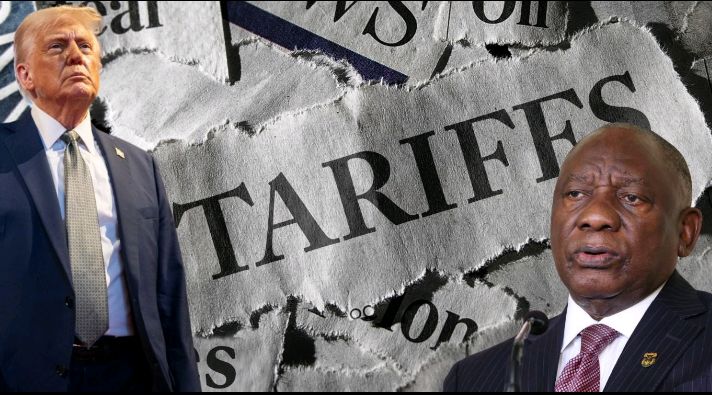
South Africa is facing a big challenge as it prepares for a possible 30% tariff on all its exports to the United States, starting August 1. This has caused concern among South African businesses, as such a high tariff could hurt trade between the two countries. The US government, led by President Donald Trump, has raised issues about trade imbalances and market restrictions, which led to these new tariffs.
In response, the South African government has made it clear that it wants to secure a good trade agreement with the US, even though communication from Washington has been limited. Parks Tau, the Minister of Trade, Industry, and Competition, pointed out that South Africa is not alone in this situation, as the US is negotiating with about 185 countries. He emphasized that negotiations are the best way to resolve these issues and noted that the current situation is complicated by both global and local challenges. Tau believes that a “reset” in the trade relationship is necessary.
The South African government is waiting for feedback from US officials on their Framework deal. One key part of this deal is the plan to import between 75 and 100 petajoules of Liquefied Natural Gas (LNG) over the next ten years, which could bring in up to $12 billion. There are also efforts to make it easier for US poultry to enter the South African market, which could unlock around $91 million in trade. Additionally, South Africa is ready to allow blueberry exports once the necessary protocols are in place.
South African companies are also looking to invest about $3.3 billion in US industries, including mining and metals recycling. Both countries are exploring joint investment opportunities in important sectors like minerals, pharmaceuticals, and agricultural machinery. To help protect supply chains, some sectors may be exempt from tariffs, including shipbuilding and small businesses earning less than $1 million a year.
The South African government is actively preparing for these negotiations and has set up a support desk to help affected industries. President Ramaphosa has expressed a strong desire to improve the trade relationship with the US to find solutions that work for both sides. Mcebisi Jonas, the Presidential Special Envoy to North America, has also stressed the importance of diversifying South Africa’s export markets. He highlighted the need to engage with new markets in Asia, the Middle East, and Latin America to strengthen the economy.
As South Africa works through this challenging situation, the government is focused on achieving a good outcome in the ongoing tariff negotiations. The results will be vital for maintaining strong trade relations with the US and ensuring the stability of South African businesses.