ZANU-PF Warns South Africa About US Sanctions
Natalie Nyathi
Zimbabwe’s ruling party, ZANU-PF, has cautioned South Africa against being intimidated by the proposed U.S. and South Africa Bilateral Relations Review Act of 2025, a bill that could grant President Donald Trump authority to impose sanctions on leaders within the African National Congress. Christopher Mutsvangwa, ZANU-PF spokesperson, conveyed this message during the ANC’s 2025 Liberation Movements Summit in Kempton Park, urging South Africa to remain steadfast and resist external pressures.
Mutsvangwa stated that the United States should avoid misdirecting itself in its diplomatic engagements with South Africa, suggesting that issues could be resolved without resorting to sanctions. Drawing from Zimbabwe’s experience, he asserted that U.S. sanctions have not hindered the country’s progress. “They have not stopped Zimbabwe from making progress. On the contrary, we are now potentially the most dynamic economy on the African continent,” Mutsvangwa told Newzroom Afrika. He highlighted Zimbabwe’s development of a modern steel industry as an example of its resilience.
The U.S. House of Representatives has passed the US-South Africa Bilateral Relations Review Act of 2025 through the House Foreign Affairs Committee. The bill, introduced by Republican Representative Ronny Jackson, calls for a review of the relationship between the U.S. and South Africa and seeks to identify South African government officials and ANC leaders eligible for sanctions. The bill accuses the ANC-led government of aligning with U.S. adversaries like Russia, China, and Iran, and of being hostile toward Israel and Taiwan. It also cites alleged targeting of Afrikaners.
If the bill is approved by the full House of Representatives and the Senate, it would then go to President Trump for enactment.
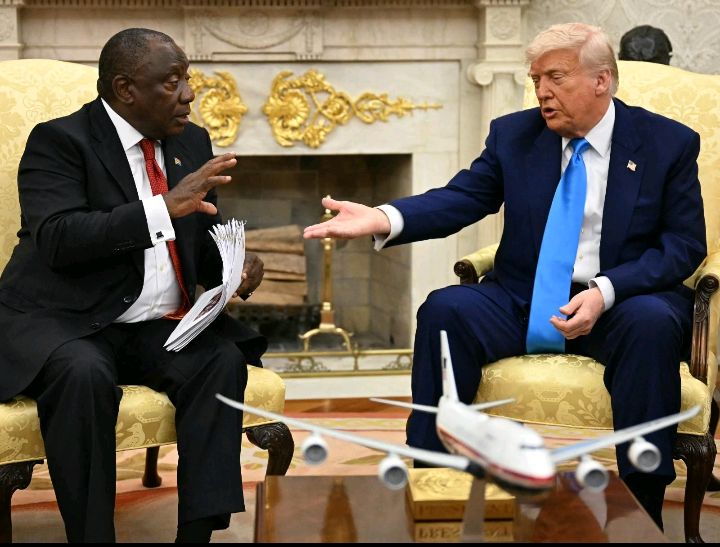
President Cyril Ramaphosa addressed the potential sanctions, stating that South Africa values its diplomatic relations with the U.S. and hopes to strengthen them through continued dialogue. The ANC is reportedly relying on support from Democrats in the U.S. Congress, particularly those who supported the anti-apartheid movement, to block the bill. ANC spokesperson Mahlengi Bhengu-Motsiri emphasized the party’s historical experience with sanctions imposed against the apartheid system.
Experts suggest that the prospect of U.S. sanctions against South African officials could have serious consequences for individuals and organizations within the country. Sanctioned individuals may face closed bank accounts, challenges in international travel, and reluctance from businesses to engage with them.
The potential sanctions have raised concerns about the future of U.S.-South Africa relations. Opponents of the bill argue that it could push South Africa further away from the United States, undermining trade negotiations, bilateral relations, and efforts to restore the relationship. Some analysts believe the bill reflects a long-standing tension between liberal democracy and electoral autocratic rule within the U.S.
Christopher Mutsvangwa, born May 24, 1955, is a Zimbabwean politician, diplomat, and businessman. A veteran of the Rhodesian Bush War, he has served in various roles in the Zimbabwean government and the ZANU-PF party, including as Director-General of the Zimbabwe Broadcasting Corporation and Ambassador to China.