Natalie Nyathi
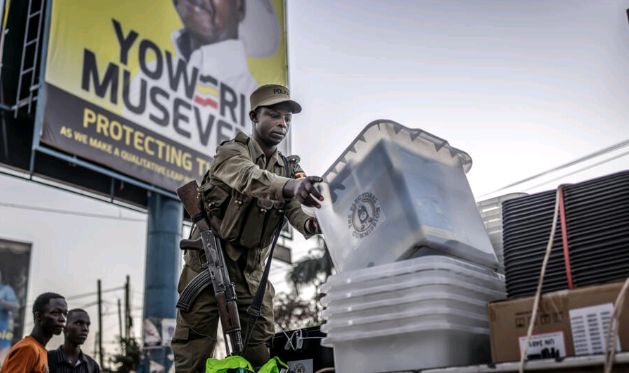
Uganda’s presidential elections, held today, faced significant delays primarily due to a government-imposed internet shutdown. As citizens prepared to vote, many encountered malfunctioning biometric machines, leading to hours of waiting at polling stations. This situation created considerable anxiety surrounding the electoral process.
President Yoweri Museveni, seeking to extend his 40-year rule, admitted to experiencing difficulties voting himself. Technical issues were widespread, affecting numerous polling sites, particularly in urban areas like Kampala. The internet blackout, justified by the government to prevent misinformation, drew sharp criticism from opposition leaders, including Bobi Wine, who claimed it aimed to stifle dissent and facilitate electoral manipulation. Wine accused the authorities of “massive ballot stuffing,” urging voters to resist what he viewed as a rigged process.
The blackout heightened tensions already exacerbated by heavy police presence and arrests of opposition supporters. Concerns over civil liberties surged, as the shutdown hindered meaningful participation in the electoral process. Despite the government’s claims of preventing “misinformation and incitement to violence,” international bodies like the United Nations condemned the action as an affront to democracy.
As Uganda reflects on the aftermath of the election, the repercussions of the internet blackout and systemic delays raise pressing questions about the country’s democratic future. With Museveni poised for another term amidst allegations of electoral impropriety, the need for transparent, inclusive elections that respect the voices of all citizens has never been more critical.