Natalie Nyathi
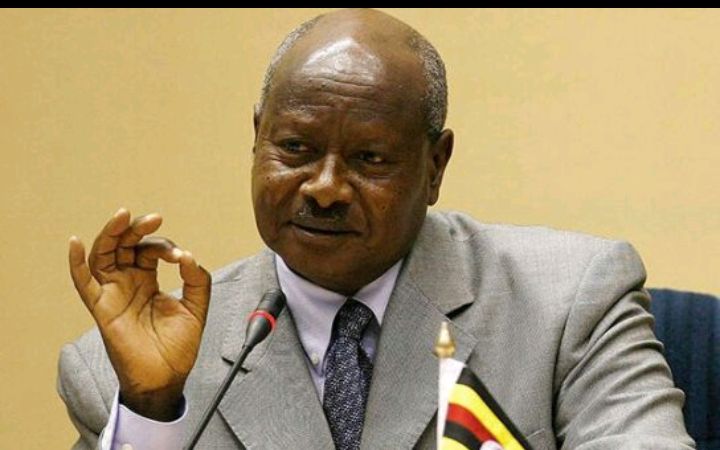
As Uganda approaches another important election, President Yoweri Museveni is seeking a seventh term, extending his time in power to nearly four decades. This move is surprising given his earlier statements about African leadership, where he famously said that “the problem of Africa in general and Uganda in particular is not the people but leaders who want to overstay in power.” At 81 years old, Museveni has led Uganda since 1986, and for many Ugandans, especially those under 40, he is the only leader they have ever known.
Museveni’s rise started during a troubled time in Uganda. After a five-year guerrilla war, he took control of the country. At first, he was seen as a source of hope, but his presidency is now linked to both achievements and serious concerns about corruption and authoritarian rule. His supporters have praised his efforts to bring peace, but critics argue that “corruption has been central to his rule from the beginning,” as said by Kristof Titeca, a professor at the University of Antwerp. Although Museveni admits that corruption happens, he claims that those who are caught are punished.
Museveni has built strong ties with Western countries by helping with security issues, such as sending peacekeepers to places like Somalia and South Sudan, and by accepting many refugees. However, his record in Uganda is mixed. His government has successfully fought health issues like the AIDS epidemic and has defeated the Lord’s Resistance Army. Still, corruption has damaged public services, and only one in four Ugandan children who start primary school goes on to secondary school, according to UNICEF.
Throughout his long time in office, Museveni has changed the laws to keep himself in power. In 2005, he removed presidential term limits, and in 2017, he took away age limits for candidates, which many see as a way to ensure he stays in charge. Opposition candidates often claim that elections are unfair, citing many problems, but the government denies any wrongdoing and often responds strongly to protests.
Kizza Besigye, once Museveni’s doctor, is now his main rival. He has run against Museveni multiple times, claiming that the presidency has turned into a personal family business. Besigye has faced multiple arrests and charges that many believe are politically motivated.
As Museveni seeks re-election, questions about who will succeed him are becoming more urgent. While he is likely to win, his health is a concern. His son, Muhoozi Kainerugaba, is rapidly rising through the military ranks, leading some to worry that a family dynasty is being built.
In addition to politics, Museveni has set bold plans to grow Uganda’s economy by 2040, aiming to reach $500 billion. He wants to focus on farming, tourism, minerals, and technology. However, many experts believe that the upcoming election could worsen existing financial problems.
As Uganda gets ready for the election, Museveni’s continued power has many effects. While he remains a strong leader, growing opposition is challenging his authority. Analysts suggest that the true impact of the election will depend on how people feel about the current situation. The election results could shape not just Uganda’s leadership but also its future stability.