Concerns Grow as Nestlé Expands Infant Formula Recall
Natalie Nyathi
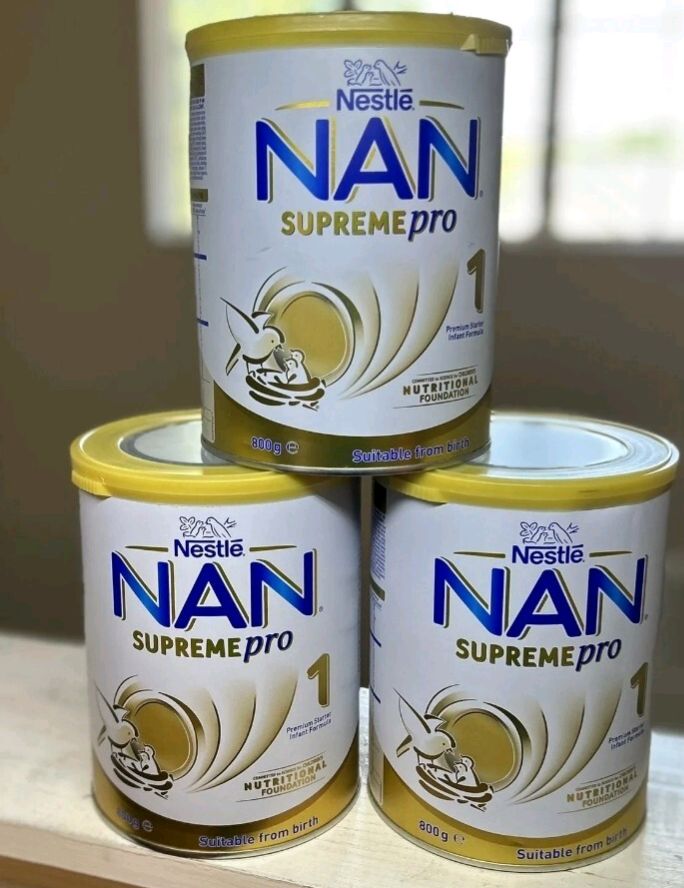
Nestlé, a leading global food company, is facing heightened scrutiny following the recent expansion of its recall of infant formula products.
This recall, now affecting 37 countries across Europe, Africa, the Americas, and Asia, has sparked fear and uncertainty among parents and caregivers regarding the safety of infant nutrition.
Initially focused in Europe, the recall of certain batches of Nestlé’s well-known brands including SMA, BEBA, NAN, and Alfamino has expanded internationally. Health authorities, including those in South Africa, Brazil, and China, have issued warnings about the potential contamination of these products with cereulide, a toxin that can cause nausea and vomiting.
The concern is serious enough that the UK’s Food Standards Agency warns that the cereulide toxin “is unlikely to be deactivated or destroyed by cooking, using boiling water or when making the infant milk.” With symptoms of food poisoning potentially developing quickly, many parents are understandably alarmed.
As the recall snowballs, it poses significant challenges for Nestlé’s new CEO, Philipp Navratil. He is tasked with managing the fallout while searching for growth opportunities after a recent period of leadership changes. The company’s shares have suffered, declining approximately 5.7% this week, reflecting investor concerns over the crisis.
Austria’s health ministry has indicated that over 800 product from more than 10 factories are involved in this recall, marking it as the largest in Nestlé’s history. While this claim has not been independently verified by Nestlé, it emphasizes the scale of the issue.
In a bid to ensure consumer safety, Nestlé has implemented rigorous testing of all arachidonic acid oil and related oil blends used in the production of potentially affected products. The company has also ramped up production and sought alternative suppliers to mitigate the impact on supply and maintain product availability.
The trigger for this extensive recall was a quality issue related to an ingredient from a leading supplier. Brazil’s health ministry has confirmed that the recall in that region is a precautionary measure following the discovery of the toxin in products made in the Netherlands.
Meanwhile, affected products manufactured in Switzerland and imported from Europe have been flagged in Australia and China.
For parents, this situation raises essential questions about the integrity of commercial baby foods. With the ongoing recalls, many are urging caregivers to consider more transparent and reliable alternatives, such as home-prepared meals, which can offer a greater sense of control over ingredients and safety.
Nestlé has promised refunds for the recalled items and is committed to working closely with health authorities to navigate this troubling time.
As the story develops, families are encouraged to remain vigilant, staying informed about the products they choose and the ongoing safety assurances from manufacturers.
Nestlé’s current situation serves as a vital reminder of the critical importance of transparency and safety in the production of food for infants. As concerns grow, both consumers and the industry must prioritize safety above all else.