Natalie Nyathi
The Trump administration has implemented significant changes to U.S. visa policies, particularly concerning financial bonds for travelers and broader restrictions on immigration. These changes, taking effect early this year, are designed to tighten entry requirements and reduce visa overstays.
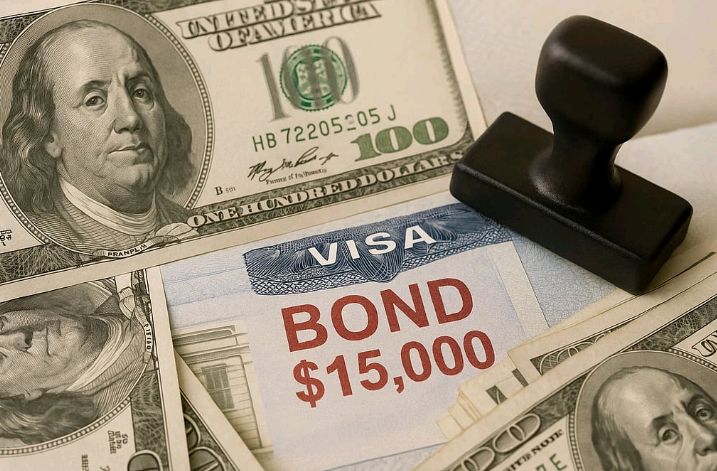
One of the most notable changes is the expansion of the visa bond program. As of January 21, 2026, citizens from 38 countries are now required to post a bond ranging from $5,000 to $15,000 to apply for a U.S. visa. This bond is determined during the visa interview and is a prerequisite for B1/B2 visa applicants from the specified countries.
The list of countries subject to this requirement includes a significant number of African nations, along with countries in Latin America and Asia. Some of the newly added countries are Algeria, Angola, Cuba, Venezuela, and Nigeria. These countries join others already on the list, such as Bhutan, Botswana, and Zambia.
U.S. officials state that the bond aims to ensure that travelers comply with the terms of their visas and do not overstay. The State Department has indicated that the bond is refundable if the visa application is denied or if the traveler adheres strictly to the visa terms.
Despite the stated objectives, the bond requirement has faced criticism. Many argue that it makes obtaining a U.S. visa unaffordable for travelers from the affected countries. In several of these nations, the maximum bond amount exceeds the average annual income, potentially preventing students, entrepreneurs, and families from traveling to the U.S.
In addition to the visa bond program, the Trump administration has implemented other measures to tighten U.S. entry requirements. Citizens from all countries requiring visas must attend in-person interviews. Applicants are required to disclose years of their social media history and provide detailed accounts of their own and their families’ previous travel and living arrangements.
President Trump has also announced the “Trump Gold Card,” an immigration initiative designed to provide a streamlined path to U.S. citizenship for foreign nationals willing to invest $1 million in the United States. Furthermore, the administration introduced a $100,000 fee for H-1B visas. However, this fee is facing legal challenges.
These changes are part of a broader set of immigration policies implemented by the Trump administration. These policies include expanded travel bans, increased deportation efforts, and reduced refugee admissions.
The new visa policies and immigration measures are expected to have wide-ranging impacts. They could affect international relations, reduce opportunities for students from affected countries to study in the U.S., potentially harm economic growth due to reduced immigration and a smaller labor pool, and create greater difficulty for U.S. citizens to sponsor family members from certain countries.
These changes reflect a continued focus on tightening U.S. borders and reducing both legal and illegal immigration.