Natalie Nyathi
As we enter 2026, Botswana is making major changes in its foreign policy that could reshape its role in the world. Faced with economic challenges and changing relationships, the country has decided to strengthen ties with Russia and the BRICS group, which includes Brazil, Russia, India, China, and South Africa.
Yesterday, Foreign Minister Phenyo Butale announced plans to open an embassy in Moscow. This move is a historic first for Botswana.
Butale emphasized, “We are open to cooperation with everyone globally who is seeking mutually beneficial cooperation with us.” This invites Russian investors to work with Botswana on important areas like rare earth metals and diamonds.
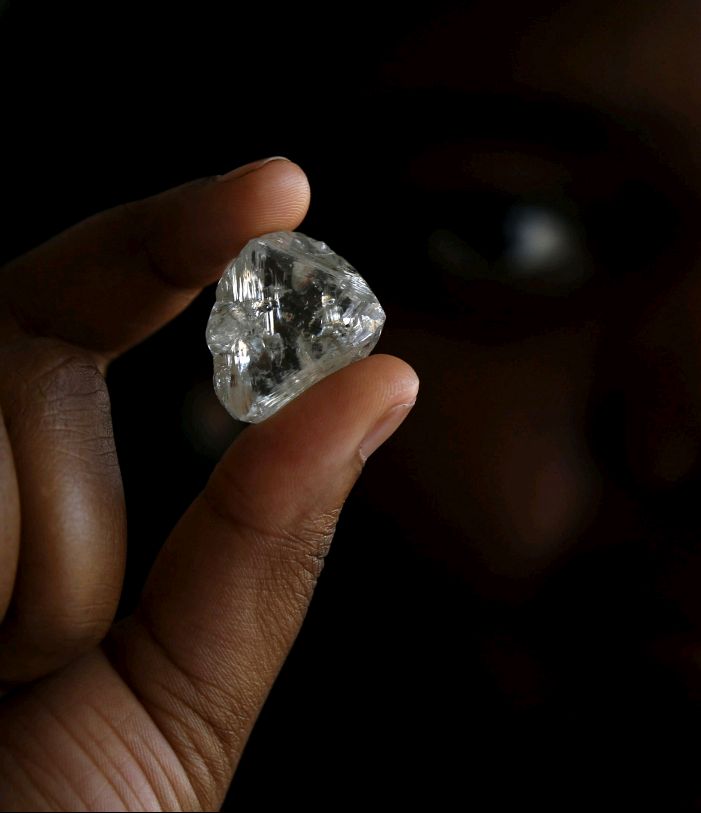
For many years, Botswana’s economy has depended on its diamond industry, which makes up about 80% of its exports and about 30% of its GDP. However, in recent years, diamond prices have dropped by 20%, and global demand is shifting toward more sustainable materials.
Rare earth metals, which are important for electronics and green technology, are mostly untapped in Botswana, with deposits estimated at 50 million tons. By partnering with Russia, which has strong mining expertise, Botswana hopes to extract these resources and reduce reliance on diamonds. Mining towns like Orapa and Jwaneng, where families depend on diamond mining, hope this shift will bring new investments and job opportunities.
This change in policy comes under the leadership of President Duma Boko, elected in October 2024. His United Democratic Change (UDC) coalition ended 58 years of Botswana Democratic Party rule. Boko’s government wants to boost Botswana’s economy by exploring ties with the BRICS nations, seeing them as important partners for growth.
The current youth unemployment rate is 36%, making it urgent to create new jobs and diversify the economy. Engaging with BRICS countries could bring new trade and technology that are crucial for Botswana’s future.
Public reactions to this new foreign policy are mixed. Many in the mining sector welcome the chance for new investments, while some citizens worry about aligning with Russia, especially given its controversial actions in global conflicts.
Opposition groups, like the Botswana Patriotic Front (BPF), argue that this strategy is risky and could hurt Botswana’s relationships with Western countries. However, some progressive voices see this move as a positive step toward independence in foreign policy and economic growth.
As Botswana gets ready to open its embassy in Moscow, 2026 could see important Russian investments in mining. If these investments succeed, they could lead to a GDP growth of about 5%. However, Botswana needs to be careful about the risks, such as the possibility of sanctions if it becomes too closely aligned with Russia.
Botswana’s “fearless” foreign policy could inspire confidence and open up new opportunities. However, managing these new relationships will be important to keep balance and stability in its economy.