SADC Unveils Communication Strategy to Boost Regional Integration
Natalie Nyathi
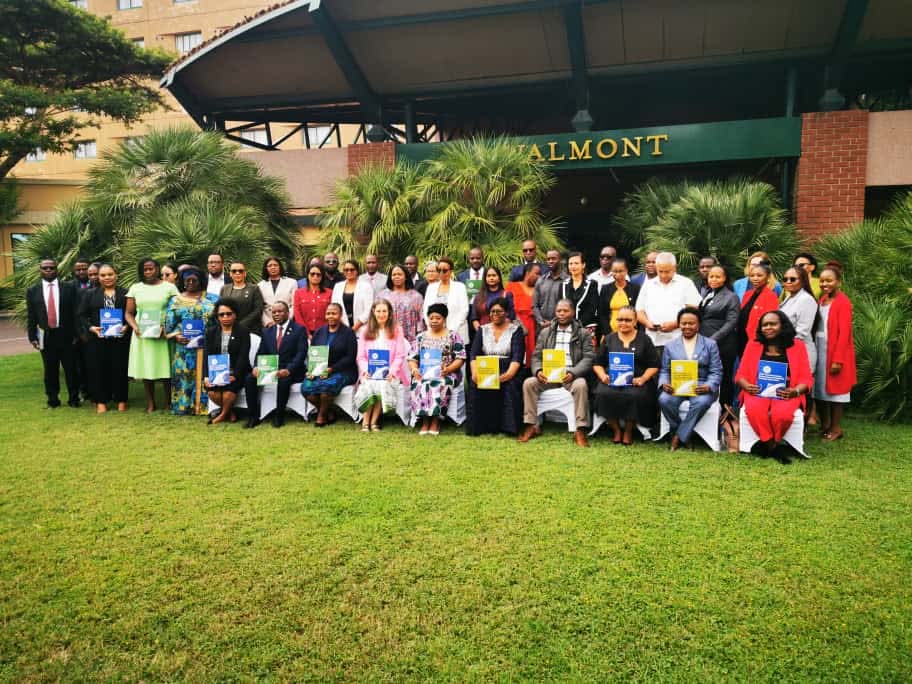
The Southern African Development Community (SADC) launched its Communication, Awareness, and Visibility Strategy 2025-2030 yesterday, marking a major step towards strengthening regional ties and enhancing public awareness. The event took place in Gaborone, Botswana, and gathered various stakeholders, including government officials, media practitioners, and representatives from development organizations.
The strategy underscores SADC’s commitment to deepening regional integration by improving communication and transparency. It aims to ensure that citizens across all 16 member states are well-informed and actively involved in the community’s initiatives. Ms. Angèle Makombo N’tumba, SADC Deputy Executive Secretary for Regional Integration, officiated the launch alongside Ms. Simone Goertz, Head of Economic and Development Cooperation at the Embassy of the Federal Republic of Germany in Botswana. The launch also included remarks from Ms. Barbara Lopi, Head of the Communication and Public Relations Unit at the SADC Secretariat.
The SADC Council of Ministers approved the strategy in August 2025 in Antananarivo, Madagascar, and it aligns with the SADC Regional Indicative Strategic Development Plan (RISDP) 2020–2030, which emphasizes the importance of visibility and public awareness in regional development and integration. The RISDP serves as the blueprint for SADC’s regional development and integration efforts.
With the newly launched strategy, SADC is addressing evolving communication landscapes and the growing public demand for transparency. It seeks to bridge the gap between regional policy decisions and the daily lives of citizens by promoting inclusive outreach across diverse languages, cultures, demographics, and digital platforms.
In her keynote address, Ms. Angèle Makombo N’tumba highlighted the strategy’s role in promoting a better understanding of SADC’s mandate, programs, and achievements. She emphasized the need for clear, accurate, and inclusive communication to cultivate a shared sense of belonging and purpose. According to Ms. N’tumba, “This Strategy invites us to embrace the rich diversity of our region, linguistic, cultural, and social. It calls for communication that leaves no one behind, ensuring that women, youth, persons with disabilities, and marginalized communities feel seen, heard, and represented.”
The strategy outlines concrete actions to improve storytelling, brand consistency, media collaboration, digital engagement, and citizen participation. Key focus areas include strengthening SADC’s digital presence through modern platforms and interactive communication tools, enhancing national-regional linkages to ensure aligned messaging and coordinated outreach, and building media partnerships to increase coverage of regional integration issues. The strategy also promotes inclusive communication practices that elevate youth, women, and vulnerable groups while showcasing impact stories that vividly illustrate how SADC initiatives transform lives across the region.
The development of the strategy was supported financially by the Government of the Federal Republic of Germany through the SADC-German cooperation project, Strengthening National-Regional Linkages in SADC (SNRL), implemented by GIZ. Ms. Simone Goertz underscored the importance of strategic communication in promoting regional cohesion and sustaining trust in regional institutions. She stated, “Communication is not merely about information flow, it is about building bridges between institutions and the citizens they serve. Strengthening coordination between national and regional communication systems will enable more consistent, impactful, and citizen-centred messaging throughout the SADC region.”
Barbara Lopi, SADC secretariat’s head of communication, stressed that the strategy is not only about communicating what SADC does but also about why SADC matters. “The SADC Communication, Awareness and Visibility Strategy 2025-2030 builds upon the solid foundation laid by the revised SADC Communications and Promotions Strategy 2016-2020. It reflects our evolving priorities, the insights we’ve gained, and the realities of an ever-evolving media landscape in which we now operate.”
The main objectives of SADC are to achieve development, peace and security, and economic growth, to alleviate poverty, enhance the standard and quality of life of the peoples of Southern Africa, and support the socially disadvantaged through regional integration, built on democratic principles and equitable and sustainable development.
The launch marks the beginning of a five-year journey to elevate SADC’s visibility, reinforce regional identity, and ensure that the people of the region remain informed partners in the integration process. Through this strategy, SADC aims to foster a stronger connection with its citizens and promote a more unified and prosperous Southern Africa.