Natalie Nyathi
The United States is demonstrating growing interest in Liberia’s mineral resources, with recent high-level discussions focused on expanding U.S. participation in the country’s critical minerals sector. Last week, U.S. Secretary of State Marco Rubio met with Liberian Foreign Minister Sara Beysolow Nyanti in Washington, D.C., to explore avenues for strengthening bilateral ties and increasing U.S. commercial engagement.
According to State Department spokesperson Tommy Pigott, the meeting aimed to identify opportunities for ;
“expanding US participation in Liberia’s critical minerals sector with the aim of creating jobs and economic growth in both the United States and Liberia.”
This initiative reflects a strategic effort to diversify America’s supply chains for critical minerals, which are essential for various industries, including manufacturing, defense, and clean energy.
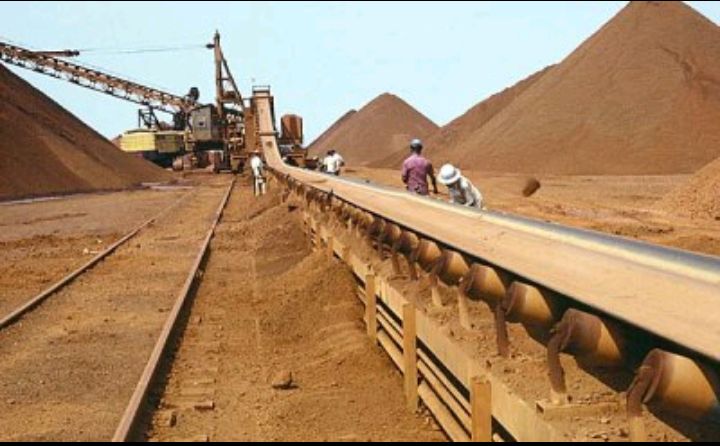
Liberia possesses significant mineral deposits, including iron ore, gold, diamonds, lithium, copper, cobalt, manganese, uranium, and neodymium. Historically, mineral extraction, particularly of iron ore, has been a leading export sector for the country. While iron ore and gold are mined on an industrial scale, diamond deposits are primarily exploited through alluvial and artisanal mining.
The U.S. interest is particularly focused on “critical minerals” , those deemed essential to the U.S. economy and national security. These include minerals like lithium, copper, and cobalt, which are vital for electric vehicles, renewable energy infrastructure, and other advanced technologies. Africa holds nearly thirty percent of the world’s critical mineral reserves, making it a key region for the U.S. to diversify its supply chains.
One notable development is the involvement of Ivanhoe Atlantic, a U.S.-based mining company. In July 2025, Ivanhoe Atlantic signed a one-point-eight billion dollar agreement with the Liberian government focused on rehabilitating Liberia’s existing railway infrastructure. This agreement enables Ivanhoe Atlantic to transport iron ore from neighboring Guinea through Liberian territory to coastal ports for export. The project will initially produce between two and five million tons of iron ore annually, with the second phase aiming to increase this capacity to thirty million tons.
This initiative involves the Yekepa-Buchanan rail corridor, which is seen as a strategic supply route for the U.S. The U.S. Embassy in Liberia has described the one-point-eight billion dollar deal as “a crucial step towards President Boakai’s objectives of developing Liberia’s multi-user rail policy and securing new international investment.”
While Liberia presents significant opportunities for U.S. investment, there are also challenges to consider. These include ensuring transparent governance, promoting sustainable development, and addressing potential social and environmental impacts of mining.
Artisanal and small-scale mining, predominantly of gold and diamonds, takes place in many parts of Liberia, often with poor regulation and dominated by unlicensed miners. Safety, land disputes, pollution, and overlapping mining claims are critical concerns in the mining sector.
Despite these challenges, the U.S. government is committed to partnering with Liberia to develop its mineral resources in a responsible and sustainable manner. This includes supporting reforms to attract international investment, ensuring local benefit-sharing, and adhering to environmental protection standards.
By strengthening its engagement with Liberia, the U.S. aims to secure a reliable supply of critical minerals while also supporting economic growth and development in the West African nation.