Crocodile Farming A Growing Economic Force in Zimbabwe
Natalie Nyathi
Zimbabwe’s crocodile farming industry is having a major impact on the country’s economy. This growth comes from increasing exports of crocodile skins and meat. The sector is not only making money but also creating jobs and helping rural communities.
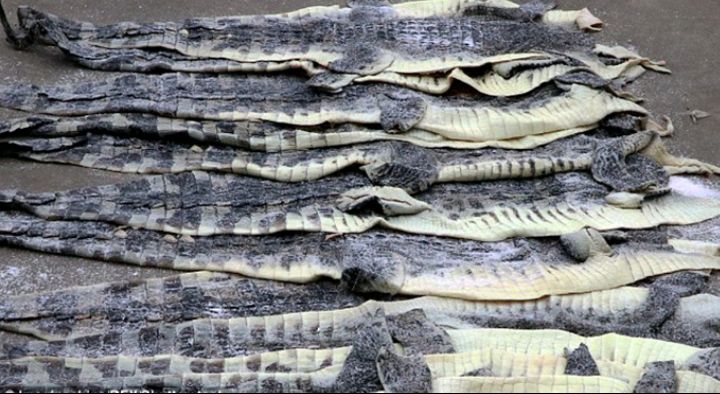
Crocodile skin exports have risen from US$32 million to US$36 million over the last 24 months. The industry produces around 80,000 crocodile skins each year and mainly sells these products to France, Singapore, Japan, and Italy. Crocodile meat is also sent to markets in Belgium and Asia. This helps Zimbabwe have a strong presence in the global market. The industry supports about 1,600 direct jobs and makes Zimbabwe a major exporter of Nile crocodile products, holding around 45% of the global Niloticus skin market.
Recently, at the launch of a partnership between Fin Fish Suppliers and Danish feed producer Aller Aqua, Deputy Minister of Lands, Agriculture, Fisheries, Water and Rural Development, Davis Marapira, emphasized the importance of the crocodile farming sector, stating, “We have improved the quality of our skins and the income is actually increasing. This collaboration will help us improve the quality of our products and increase our competitiveness in the global market.” He also noted, “So generally, crocodile farming is doing very well, but we still need to grow it to a US$100 million economy by getting better markets and being able to penetrate the best markets in the world. We should be able to compete with other agitators from America and other countries, so that we get the best from our local crocodile skin production.”
The Zimbabwean government is working to support the growth of the crocodile farming sector. They focus on increasing the value of crocodile products to help producers earn more money. They are also looking to open new export markets and encourage teamwork between the government and private businesses to boost production. These efforts aim to strengthen Zimbabwe’s place in the exotic leather market and help the country’s overall economic development.
Besides economic benefits crocodile farming also helps with conservation. Crocodile ranching programs encourage the protection of crocodiles while giving local communities a way to earn money, which helps reduce poaching of other species. The success of Zimbabwe’s crocodile farming industry shows how sustainable wildlife management can drive economic growth and support conservation. As the industry keeps expanding, it promises to bring more economic opportunities and contribute to Zimbabwe’s development.