Natalie Nyathi
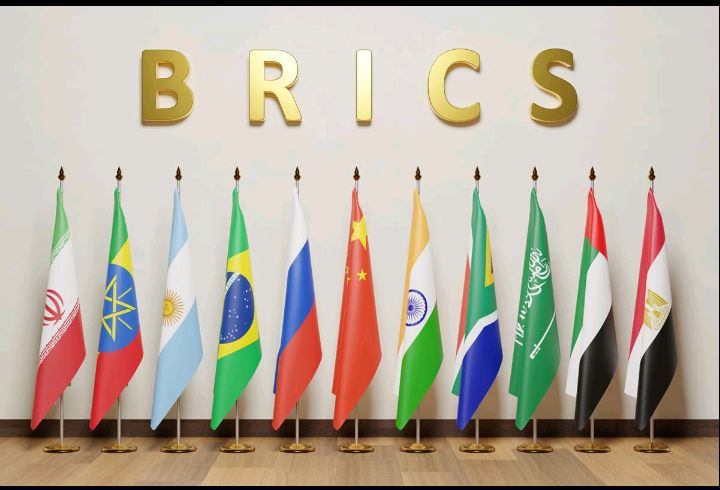
During a recent virtual meeting, leaders from the BRICS bloc,a group of emerging economies including Brazil, Russia, India, China, and South Africa—expressed strong opposition to what they termed “tariff blackmail” and economic protectionism. This meeting was initiated by Brazilian President Luiz Inácio Lula da Silva and highlighted the growing challenges posed by unilateral trade measures, especially from the United States.
The BRICS nations represent nearly 40% of global GDP and encompass almost half of the world’s population. They are particularly vulnerable to the aggressive trade policies implemented by the U.S., which have included significant tariffs on imports from several member countries. For instance, President Donald Trump imposed a staggering 50% tariff on a range of goods from Brazil, which has severely impacted Brazilian exports. Lula characterized these tariffs as “unjustified and illegal,” noting that they have been used as tools for market domination and interference in domestic affairs.
Chinese President Xi Jinping also addressed the summit, calling for the protection of the multilateral trading system centered around the World Trade Organization (WTO). He urged all countries to reject protectionism and work towards an open global economy. Xi’s remarks come amid ongoing tensions between the U.S. and China, where tit-for-tat tariffs have significantly disrupted international trade.
In addition to Brazil, India has also faced hefty tariffs from the U.S., with Trump accusing New Delhi of complicity in Russia’s actions in Ukraine due to their oil purchases. Indian Foreign Minister Subrahmanyam Jaishankar emphasized the need for sustainable trade practices, pointing out that increasing trade barriers would not benefit anyone.
South Africa, too, has felt the impact of U.S. tariffs, receiving a 30% tariff—the highest in sub-Saharan Africa. President Ramaphosa highlighted that these unilateral tariff actions contribute to an increasingly protectionist environment, which poses significant challenges for countries in the Global South. He underlined the need for solidarity among BRICS nations to combat these economic threats.
The summit also touched upon geopolitical tensions, particularly concerning the U.S. military’s actions in the Caribbean. Lula condemned the military build-up, stating that the presence of U.S. armed forces in the region adds to existing tensions, particularly with Venezuela, which has faced U.S. sanctions and aggressive rhetoric.
As the BRICS leaders concluded their discussions, they called for a united front against the challenges posed by unilateral tariffs. They emphasized the importance of promoting an open and fair global economy that benefits all nations, particularly those in the Global South.
The outcomes of this meeting could have lasting implications for trade relations and cooperation among emerging economies. By standing together against tariff blackmail and protectionism, BRICS leaders aim to reshape the global economic landscape and advocate for a more equitable trading system.