Natalie Nyathi
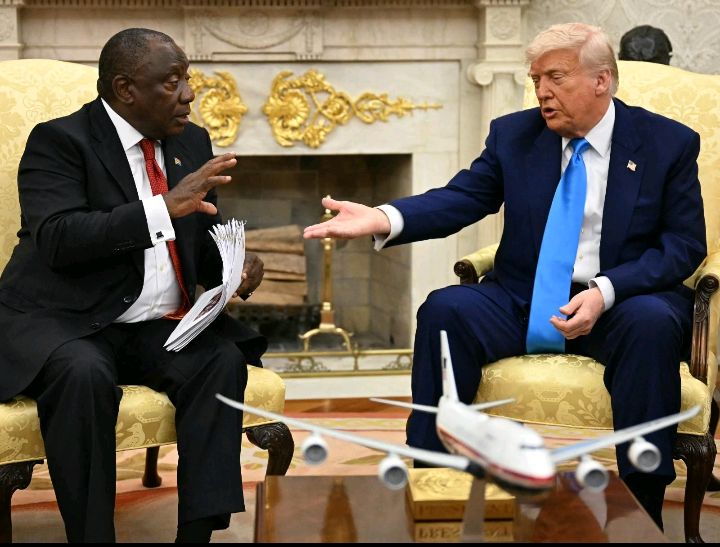
President Cyril Ramaphosa of South Africa and U.S. President Donald Trump engaged in a telephone conversation on August 6, 2025, to address bilateral trade matters as the U.S. imposed new tariffs on South African goods. The call occurred just hours before the new tariffs, set at 30%, came into effect.
During the discussion, both leaders affirmed their commitment to continued engagement through their respective trade teams. According to a statement from President Ramaphosa’s office, they acknowledged the various trade negotiations in which the U.S. is currently involved.
The imposition of these tariffs has raised concerns in South Africa, potentially putting at risk approximately 30,000 jobs, particularly in the automotive and agriculture sectors. In response, the South African government has initiated several measures, including establishing an Export Support Desk to assist affected companies. This desk aims to provide guidance on alternative export destinations, market entry processes, and compliance requirements.
Minister in the Presidency Khumbudzo Ntshavheni conveyed optimism that a trade agreement could still be reached, emphasizing that Ramaphosa’s call with Trump was part of a broader negotiation strategy. She noted that there was an assurance during Ramaphosa’s visit to the White House in May that the tariffs would be reviewed upon reaching a deal.
Despite the ongoing challenges, South Africa has emphasized its commitment to finding constructive and sustainable solutions through continued engagement with the United States. The South African rand has demonstrated resilience, gaining ground against the U.S. dollar due to rising gold prices and a weaker dollar, trading at approximately 17.69 to the dollar.
The U.S. is South Africa’s third-largest bilateral trading partner, with total trade reaching 20.5 billion in 2024. The new tariffs, however, exclude a range of mining exports. The South African government is also exploring diversifying its export markets, focusing on intra-African trade and emerging markets in Asia and the Middle East.