Natalie Nyathi
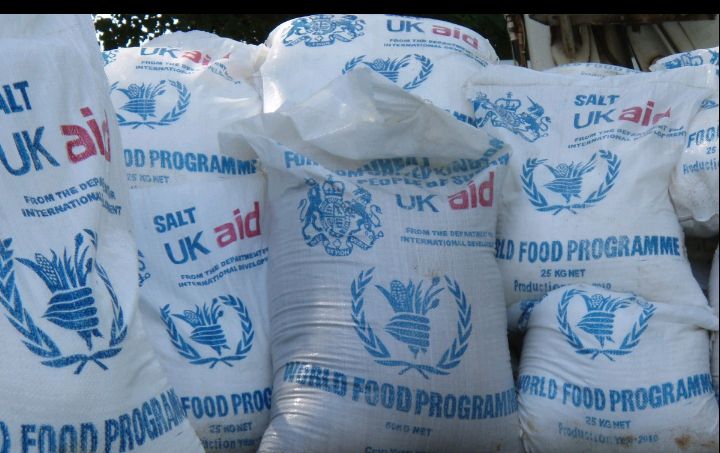
The UK government has decided to cut its foreign aid budget by 40%, which will hit Africa hard. This decision will mainly affect important areas like children’s education, women’s health, and water and sanitation. Many aid organizations are worried that these cuts will lead to more disease, deaths, and lost opportunities for millions of people in Africa.
The UK plans to reduce its aid spending from 0.5% to 0.3% of its gross national income (GNI). This is the lowest level of aid in decades. The cuts mean that countries in Africa will receive less support for health and education programs. For example, funding for education in the Democratic Republic of Congo (DRC) will end early, affecting 170,000 children. Countries like Ethiopia, Sierra Leone, Nigeria, and Zimbabwe will also see cuts in education funding.
The cuts to aid will have serious effects on health care. There are worries about shortages of important medicines and supplies for treating diseases like HIV/AIDS. The UK government’s own reports say that cutting health spending could lead to more sickness and deaths, especially among poor people, women, and children.
Education is another big concern. With less money for girls’ education, many girls may miss school, leading to issues like early pregnancies and higher maternal mortality rates. Tom Dannatt, the CEO of Street Child, said that many children who used to go to school will now be forced to work instead.
The UK government says these cuts are part of a plan to modernize its approach to foreign aid, focusing more on partnerships and investments. However, critics argue that this goes against previous promises to help vulnerable communities. They also note that while aid to Africa is being cut, spending in Europe is increasing.
With the UK and US cutting aid, African countries need to find ways to support themselves. Njahira Gitahi, an international lawyer, suggests that African nations should work together through regional groups like SADC and ECOWAS to strengthen their economies and services. This situation highlights the need for Africa to build self-sufficient economies, reducing reliance on outside funding for long-term growth.