Natalie Nyathi
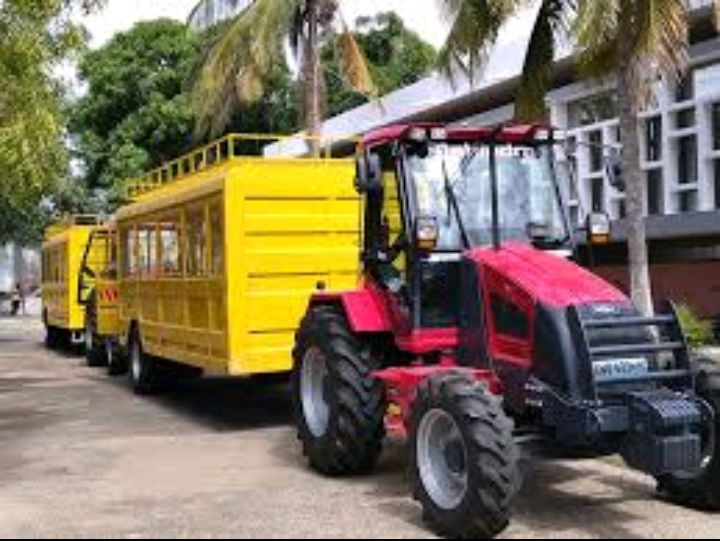
The government of Mozambique is implementing an inventive solution to address transportation challenges in its rural areas: tractors with customized passenger trailers. This initiative aims to provide reliable public transport in regions where poor road conditions make it difficult for conventional vehicles to operate.
The Mozambican government plans to deliver 100 of these specialized tractors with trailers to communities in need. The Transport & Communications Fund has already delivered the first two units to Cabo Delgado province, a region significantly impacted by inadequate road infrastructure. According to Paulo Ricardo, Board Chair of the Fund, these tractors are specifically designed to offer comfortable passenger transportation on roads that are challenging for standard vehicles. The trailers are adapted to protect passengers from the elements, with features such as padded seats and protective barriers.
This program builds upon a successful pilot project launched in 2024 in the Lunga administrative post, Nampula Province. The pilot received positive feedback from the community, demonstrating the potential of this transport model to improve rural mobility. The remaining eight of the initial ten tractors acquired will be distributed to the provinces of Niassa, Nampula, Zambézia, and Manica.
In addition to the tractor initiative, the government intends to procure 390 buses to further enhance public transportation in underserved areas. Transport Minister Ana Paula Oliveira has emphasized the government’s dedication to rural development, stating that these efforts are designed to ensure that rural citizens have dependable access to essential services and markets.
The Mozambican government is fully funding this program, positioning the country as a regional leader in developing adaptive transport solutions for rural areas. While some critics argue that tractors are not a long-term solution and that investment in proper road infrastructure is necessary, others suggest that neighboring countries, including Zimbabwe, could learn from this model to address similar challenges in their remote regions.