Natalie Nyathi
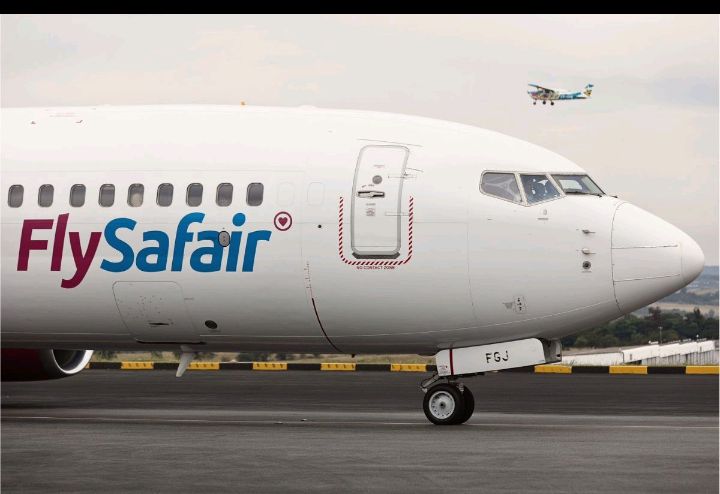
FlySafair, one of Africa’s leading low-cost airlines, is dealing with a two-week strike by over 200 pilots that started on July 21, 2025. This strike follows failed wage talks and concerns about pilot fatigue and poor working conditions. The disruptions have led to flight cancellations, affecting many passengers and raising questions about the airline’s management.
The main issue in the dispute is wages. The pilots’ union, Solidarity, rejected FlySafair’s offer of a 5.7% raise. Instead, they are asking for a 10.5% increase for the 2025/26 financial year, along with inflation-based raises for the next two years. Pilots have also expressed worries about their work schedules, which have reduced rest time and affected their family lives.
FlySafair claims that its pilots are well-paid, with captains earning between R1.8 million and R2.3 million each year. The airline argues that meeting the union’s demands would create financial issues. Kirby Gordon, the airline’s Chief Marketing Officer, insists that they follow industry rules regarding work hours and rest periods.
In response to the strike, FlySafair implemented a lockout, preventing striking pilots from returning to work for a week. Solidarity criticized this move as harmful to the public and a way to escalate tensions. The union has since extended the strike notice to 14 days, raising concerns about longer disruptions.
Due to the strike, FlySafair has canceled flights, with about 8% of Monday’s flights grounded. The airline is trying to help passengers by offering rebooking options and travel vouchers, but many travelers are frustrated by the changes.
The Commission for Conciliation, Mediation and Arbitration has offered to mediate between FlySafair and Solidarity. While the union is willing to participate, FlySafair has not publicly confirmed its willingness to negotiate.